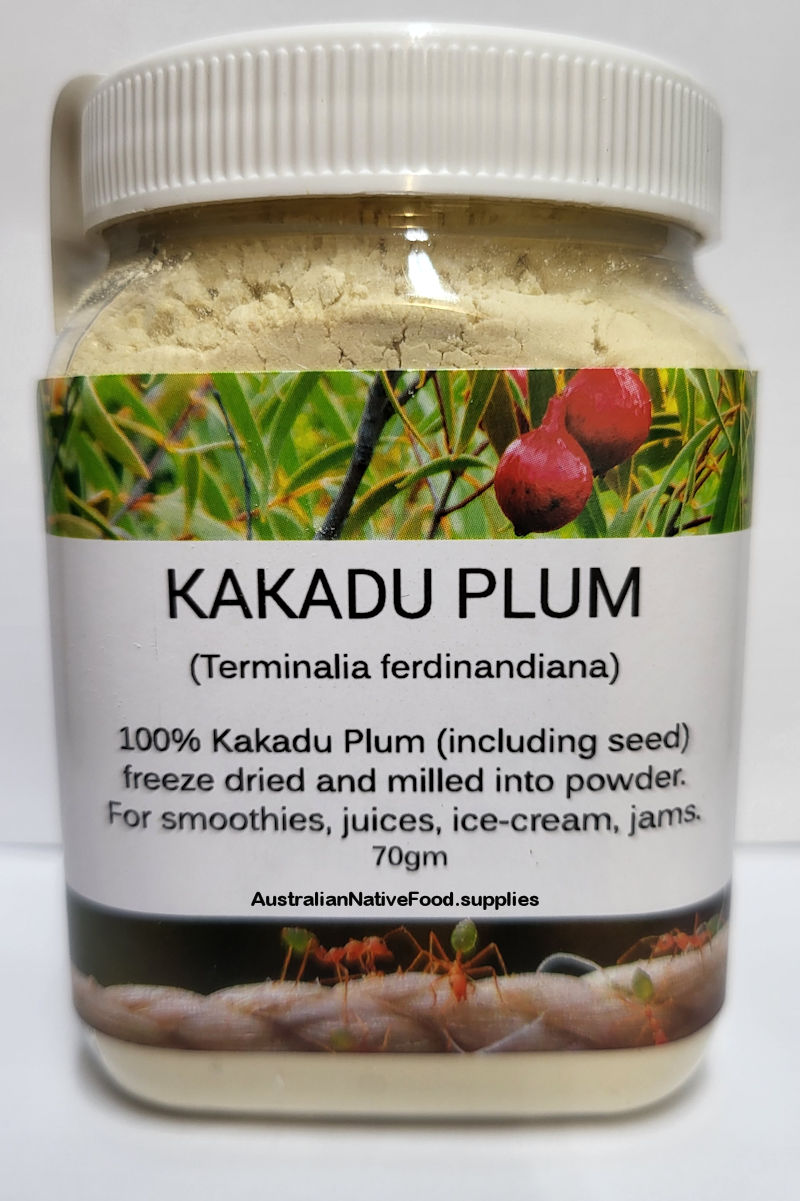

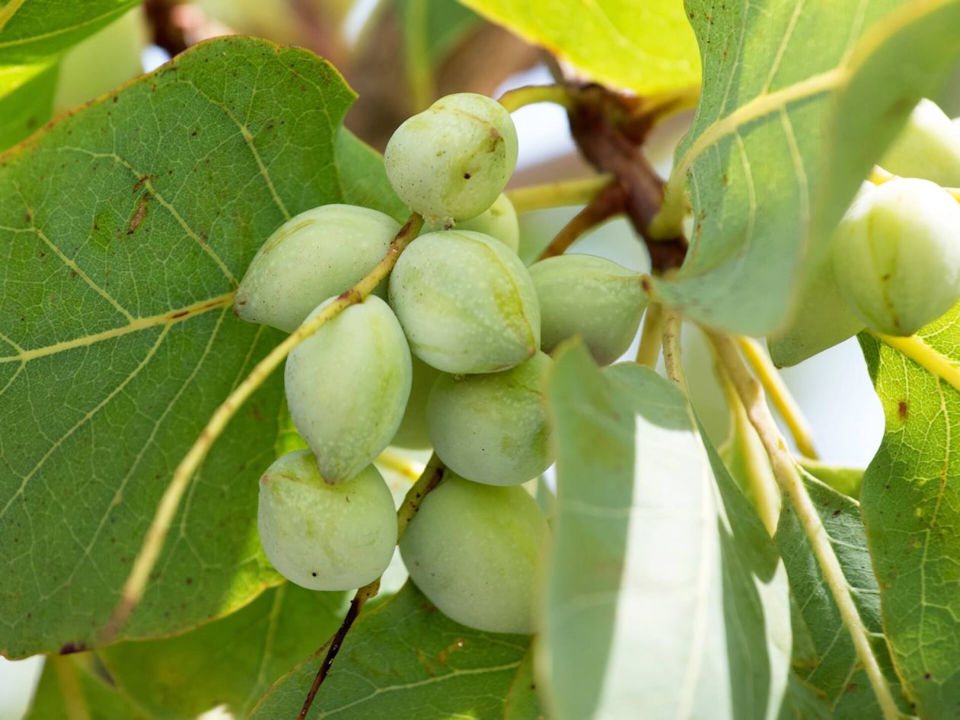
Kakadu plum (also called the Gubinge, Billygoat Plum or Murunga) is a small deciduous tree found growing wild extensively through out the subtropical woodlands of the Northern Territory and Western Australia. It bears abundant crop of small plum-like fruits.
The fruit has a very high content of vitamin C, in fact holds the World Record. It’s full of antioxidants, folic acid and iron.
It offers a wide range of potential health benefits, including supporting the immune system, promoting skin health, and potentially contributing to anticancer and anti-inflammatory effects.
Key Health Benefits:
- High in Vitamin C: Kakadu plum boasts the highest Vitamin C content of any fruit, making it a potent source for supporting the immune system and collagen synthesis.
- Rich in Antioxidants: It contains various antioxidants like ellagic acid and polyphenols, which help protect against cell damage caused by free radicals and may reduce the risk of chronic diseases.
- Anti-inflammatory Properties: The antioxidants in Kakadu plum may help reduce inflammation throughout the body.
- Potential Anti cancer Effects: Some research suggests that Kakadu plum may exhibit anti cancer properties due to its high antioxidant and phenolic compound content.
- Supports Skin Health: Kakadu plum’s antioxidant and anti-inflammatory properties can contribute to healthier skin, potentially helping to fade pigmentation and improve skin tone.
- Promotes Hair Health: The antioxidants in Kakadu plum may also benefit hair health by protecting hair follicles and potentially promoting growth and preventing hair loss.
- May Improve Iron Absorption: Vitamin C, abundant in Kakadu plum, can enhance iron absorption, potentially boosting energy levels.
- May Aid Digestive Health: Kakadu plum is a source of dietary fiber, which can support digestive health by promoting regularity and potentially aiding in blood sugar control.


 Bush Food Australia
Leave a reply to Evelyn J Mitchell Cancel reply