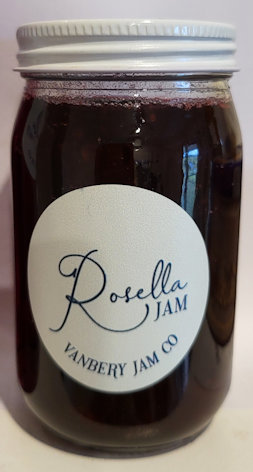

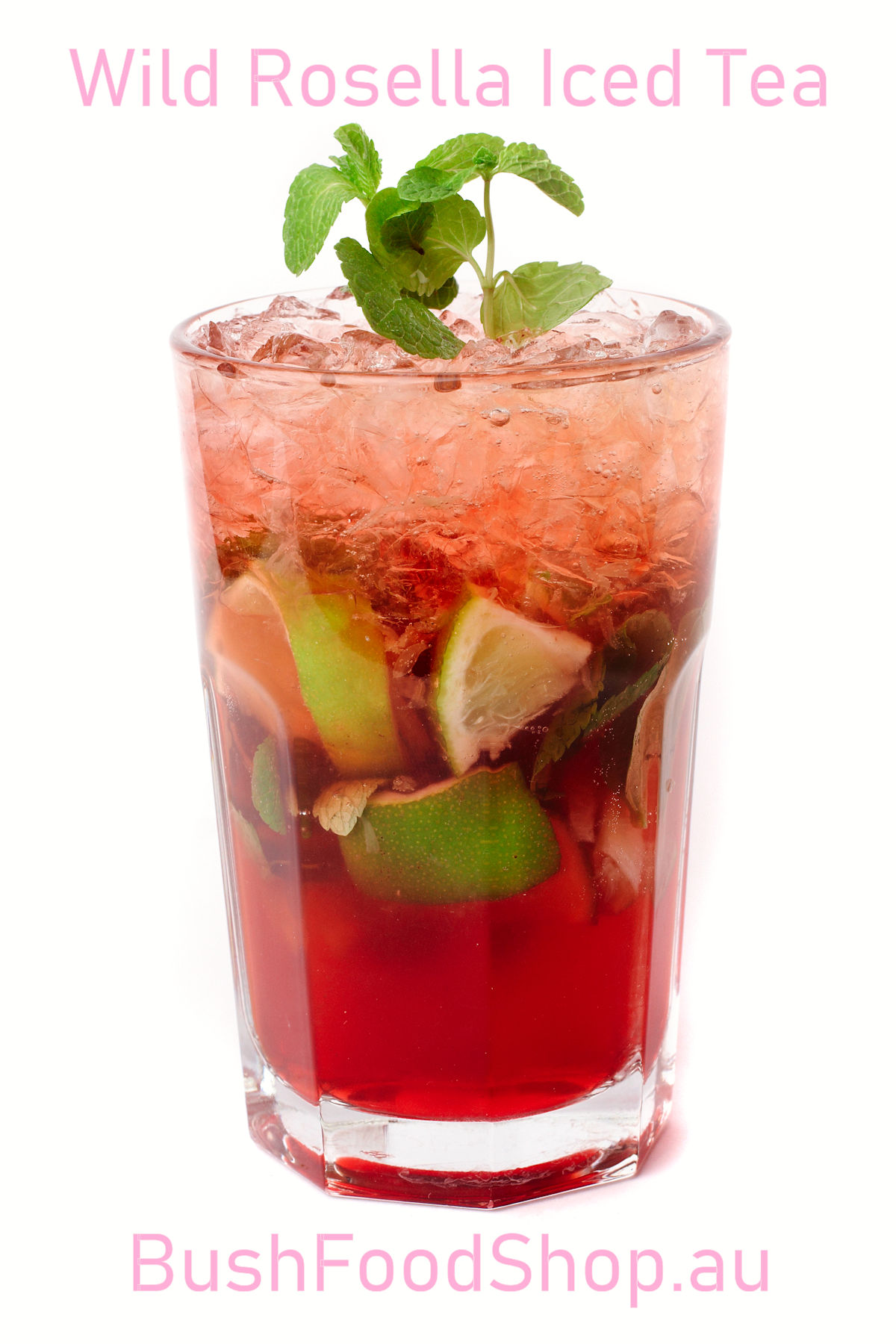
The Rosella bush was introduced to Australia by Indonesian fishermen however it now also calls Australia home. It typically grows in the most northern parts of Australia from Cairns in the east through to Broome in the west however it also thrives in south east Queensland and mid north coast New South Wales.
The petals can be used for making jellies and dessert garnishes. They have a tart flavour with a raspberry/rhubarb/plum quality.
Most commonly known for its use in champagne. It works well in either sweet or savoury dishes and goes well with ginger, chilli, and sugar, and fruits such as apples, peaches pears, nectarines and banana.
Fabulous accompaniment for lamb, pork and game. Use it in sauces, jams, ice cream and pastries.
Cultivated for its edible calyxes and leaves it’s a shrub that can grow to several metres in height. The plant is known for its bright red, fleshy calyxes, which provide a fabulous display in the garden.
Key characteristics of the Rosella:
- Edible Parts: The main edible part is the fleshy, red calyx (the outer part of the flower) that surrounds the seed pod. The young leaves are also edible and can be used in salads or cooked.
- Uses: Rosella is widely used for culinary purposes. The calyxes are used to make jams, jellies, sauces, cordials, teas, and even wine. The leaves can be used in salads, stir-fries, or as a pot herb.
- Climate and Growing: Rosella thrives in warm, frost-free climates. It can be grown in a variety of soils, but well-drained soil is preferred. It needs plenty of sunlight and water for optimal growth.
- Appearance: Rosella bushes have large, lobed leaves and attractive hibiscus-like flowers. The flowers are typically pale yellow, and the calyxes turn a vibrant red as they mature.
Rosella possesses a range of medicinal properties, including the potential to lower blood pressure and blood glucose levels, improve lipid profiles, and act as an antioxidant. Traditionally, various parts of the plant have been used to treat colds, urinary tract infections, and hangovers. Research suggests it may also be beneficial for liver health and offer anti-obesity properties.

 Bush Food Australia
Leave a comment