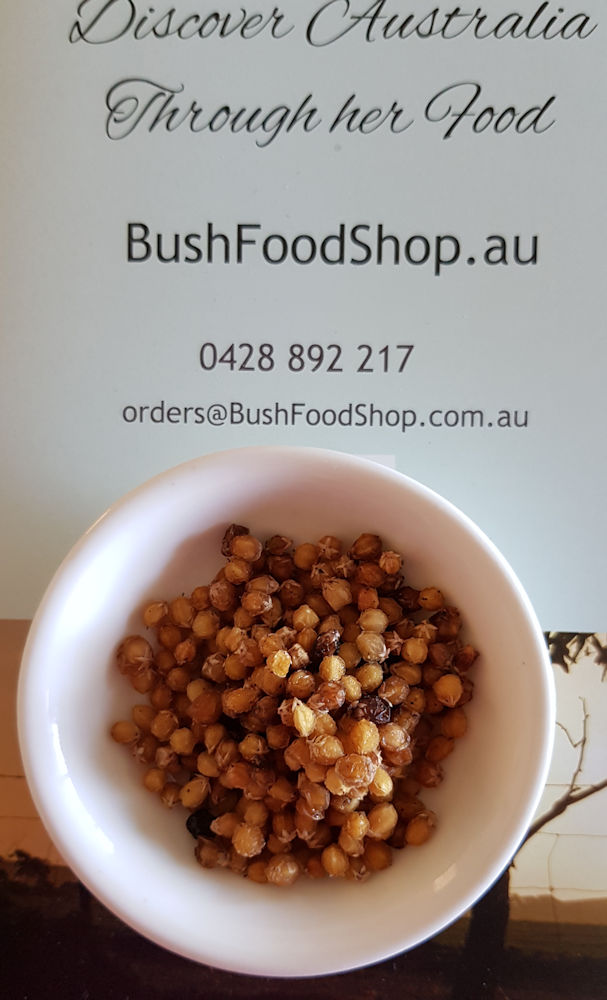
The Native Currant can be found in small pockets of South Australia and Victoria; particularly on Kangaroo Island, Barossa Valley, Clare Valley, Adelaide Hills.
Fruits are taken from a small prickly shrub. They offer a moderate source of vitamin C and are red in colour. Flavour is best when mixed with sugar to remove the acidity.
The fruits are eaten out-of-hand, or used in jams and jellies
There are a number of different species occurring naturally from tropical and sub tropical regions as well.
Native currants, also known as “Ahakeye” to some Aboriginal groups, offer various health benefits due to their rich nutritional content. They are a good source of vitamin C, antioxidants and fibre and have been traditionally used to support the immune system, reduce inflammation, and potentially aid in digestion.
Specific health benefits of native currants include:
- Immune System Support:High in vitamin C and other antioxidants, native currants can help boost the immune system and protect against infections.
- Anti-inflammatory Properties:Compounds like gamma-linolenic acid (GLA) found in black currants, may help reduce inflammation and ease symptoms of inflammatory conditions like rheumatoid arthritis.
- Antioxidant Powerhouse:Native currants are rich in antioxidants, including anthocyanins, which can help protect cells from damage caused by free radicals and may reduce the risk of chronic diseases.
- Eye Health:Anthocyanins in black currants may improve blood flow to the eyes and potentially slow the progression of eye diseases like glaucoma.
- Heart Health:Studies suggest that black currants may help improve cholesterol levels and reduce the risk of heart disease.
- Digestive Health:The fiber content in native currants can promote healthy digestion and prevent constipation.
- Traditional Aboriginal Use:In some Aboriginal communities, the native currant is a favored food source with cultural significance, believed to have a sweet taste and medicinal properties.

 Bush Food Australia
Leave a comment