The lilli pilli (riberry) is a popular plant for hedging and topiary, evergreen rainforest plants with glossy green leaves. Many varieties have flushes of colourful new growth, ranging from brilliant pink to a red-brown.
In spring to early summer most lilli pillies have fluffy white or greenish flowers followed by long lasting red, purple or whitish berries.
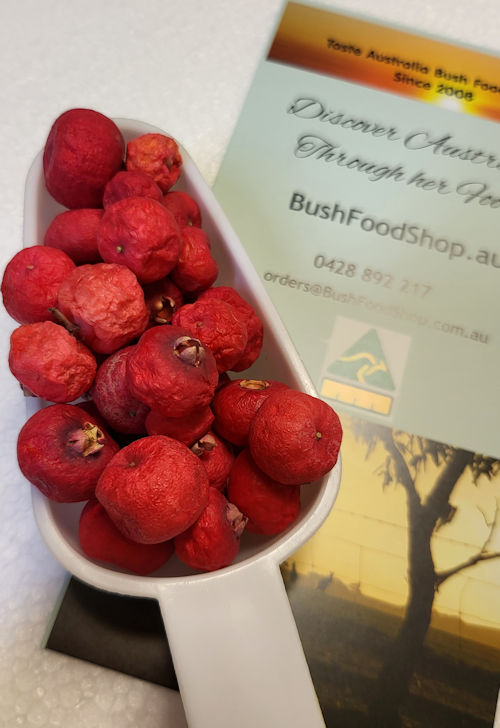
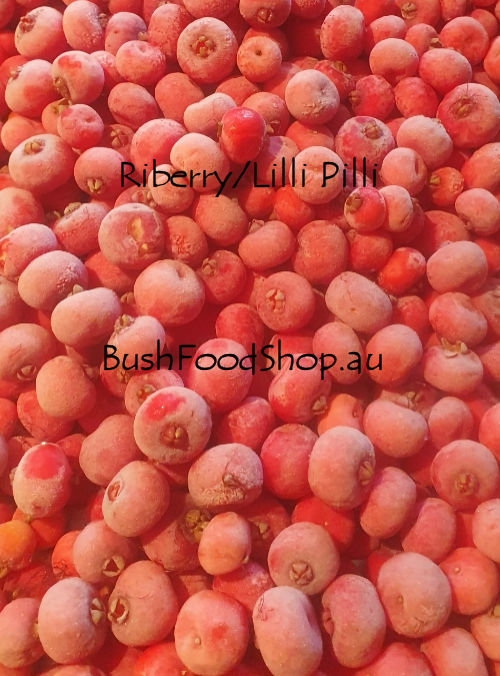
The fruit matures from December to February, being a pear shaped red berry, known as a Riberry, growing to 13 mm long, covering a single seed, 4 mm in diameter.
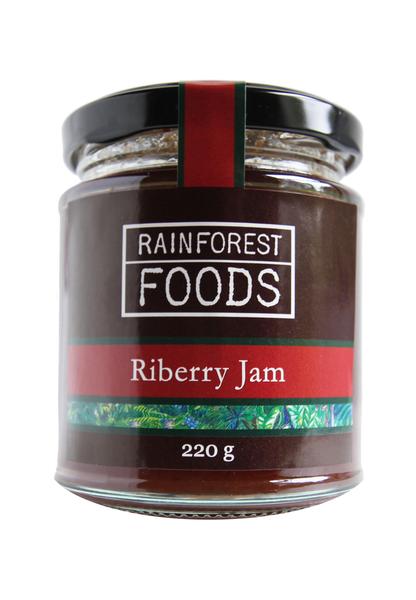
The berry has a tart, cranberry-like flavour, that has a hint of cloves. The fruit is most commonly used to make a distinctively flavoured jam, and is also used in sauces, syrups and confectionery.
These native Australian berries have potential medicinal properties due to their high antioxidant and vitamin content. They are believed to have anti-inflammatory and anti-aging benefits, as well as being a source of essential vitamins and minerals. Traditional Aboriginal use of riberries includes treating colds, infections, and skin irritations.
Potential Medicinal Properties:
- Antioxidant Power: Riberries are rich in anthocyanins and polyphenols, potent antioxidants that help protect the body from oxidative damage caused by free radicals.
- Immune Support: They contain vitamin C, which is crucial for a healthy immune system and can help fight off infections.
- Anti-inflammatory Effects: Riberries may help reduce inflammation in the body, potentially benefiting those with arthritis or joint pain.
- Skin Health: The antioxidant and anti-inflammatory properties are also thought to contribute to healthy skin, with potential anti-aging benefits and protection against sun damage.
- Other Potential Benefits: Riberries may also aid digestion due to their fiber content, and may help regulate blood sugar levels due to their low glycemic index.
Traditional Aboriginal Uses:
- Aboriginal communities have long used riberries as a food source and for medicinal purposes.
- They were traditionally used to treat colds, coughs, and ear infections, and to help maintain overall immune health.
- The pulp was also used topically to treat skin irritations and wounds.

 Bush Food Australia
Leave a comment