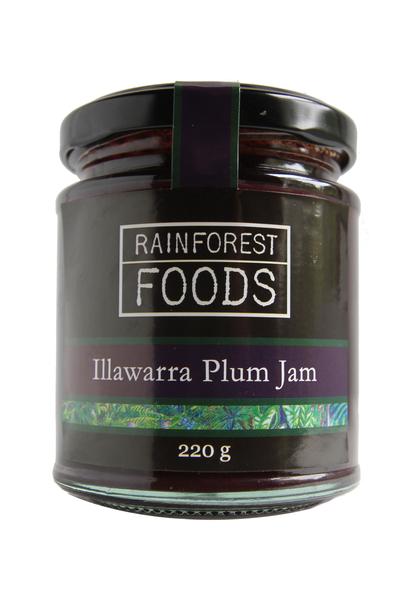
The Illawarra Plum is native to sub-tropical eastern New South Wales and Queensland. The vivid purple fruit has a plum/pine flavour.
The fruit contains appreciable quantities of sticky sugars which are hugely beneficial to the gastrointestinal tract. The antioxidant level is seven times that of blueberries.
It is primarily used to make jams, beverages and conserves.
Tip: Cook Illawarra plum in a sugar syrup. Soak in liqueur for a minimum of 6 months. Drain and roll in dark chocolate.
The Illawarra Plum (Podocarpus elatus) is valued for its high antioxidant content and potential medicinal properties. It’s been traditionally used to address colds, coughs, skin ailments, and infections. Modern research suggests it may also have anti-inflammatory and anti-cancer properties.
Here’s a more detailed look at the medicinal properties:
Antioxidant and Anti-inflammatory Properties:
- The Illawarra Plum is rich in antioxidants, including vitamin C and anthocyanins, which help protect the body against damage from free radicals.
- Phytochemicals like flavonoids, tannins, and stilbenoids contribute to its antioxidant and potential anti-inflammatory effects.
- Research has shown that the Illawarra Plum has antioxidant activity more than three times that of blueberries.
- Some studies suggest it may inhibit the growth of colon cancer cells and reduce inflammation in cells.
Traditional Uses:
- Indigenous communities and early settlers used the Illawarra Plum to treat colds, coughs, and infections.
- It was also traditionally used for skin ailments and to address headaches and rheumatism.
- The leaves, which contain the alkaloid lycorine, were traditionally used to relieve the pain of insect stings.
Potential Skincare Benefits:
- The fruit’s antioxidants, vitamin C, and anthocyanins may contribute to its anti-aging and skin-brightening properties.
- It may help reduce the appearance of wrinkles and promote collagen production, potentially leading to healthier, more youthful-looking skin

 Bush Food Australia
Leave a comment