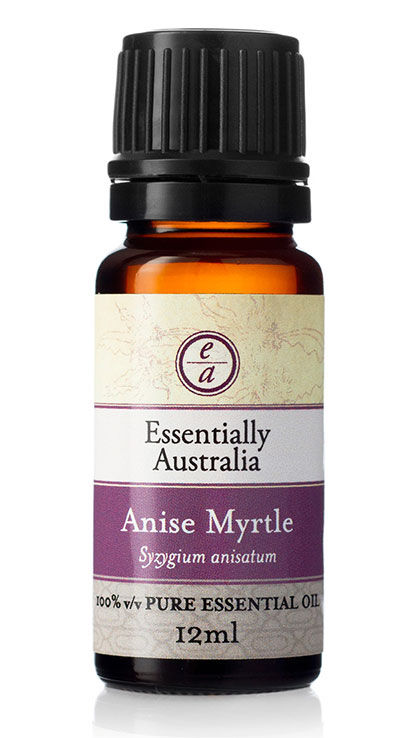
Aniseed Myrtle is a stunning rainforest tree, highly ornamental and very desirable for its bush food characteristics. Rare in the wild but native to a few areas of North East New South Wales. The tree can reach up to 45 metres in a rainforest environment but most often 8-10 metres as a small to medium tree in open garden situations. It’s usually harvested as a hedge to 2-3 metres in bush food plantations. The plant has a dense cover of fine lush green foliage throughout the year with white scented flowers in the spring.
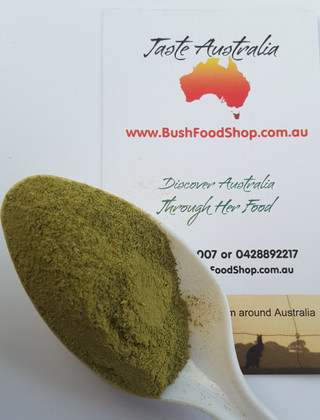
It has strong aniseed scented and flavoured leaves with a subtle sweet liquorice flavour. Used for flavouring desserts, sweet sauces and preserves, it is also popular as a scented savoury sauce or marinade for meats and sets a deep fragrant flavour to salad dressings. Great with fish or pork, steamed rice, seafood, biscuits, ice-cream or tea.
Aniseed myrtle offers a range of potential medicinal benefits, particularly for digestive health and inflammation, and it’s a popular ingredient in both traditional and modern remedies
1. Digestive Aid:
- Anethole (a naturally occurring organic compound ), the main component in aniseed myrtle, has been traditionally used to alleviate digestive issues such as bloating, gas, and indigestion.
- It may also help with colic and flatulence.
2. Anti-inflammatory Properties:
- Some studies suggest that aniseed myrtle may have anti-inflammatory effects.
3. Antimicrobial Properties:
- The essential oils in aniseed myrtle have shown potential antimicrobial activity, suggesting it may help fight off harmful bacteria and infections.
4. Antioxidant Properties:
- Aniseed myrtle leaves are rich in antioxidants, which can help protect the body against oxidative stress.
5. Other Potential Benefits:
It may have potential benefits for respiratory issues like coughs and colds due to its high anethole content.
Indigenous Australians have traditionally used it as a medicinal tonic.
It has also been suggested for use in treating hiccuping, weight loss, lactation, and menstrual pain.

 Bush Food Australia
Leave a comment