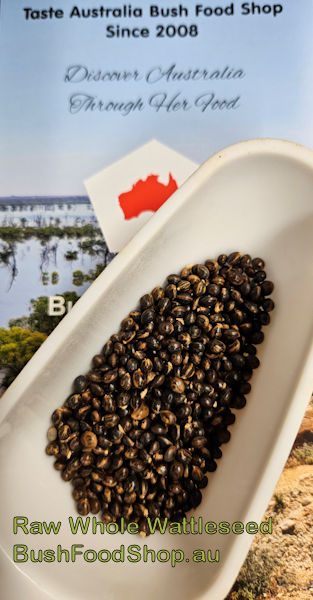
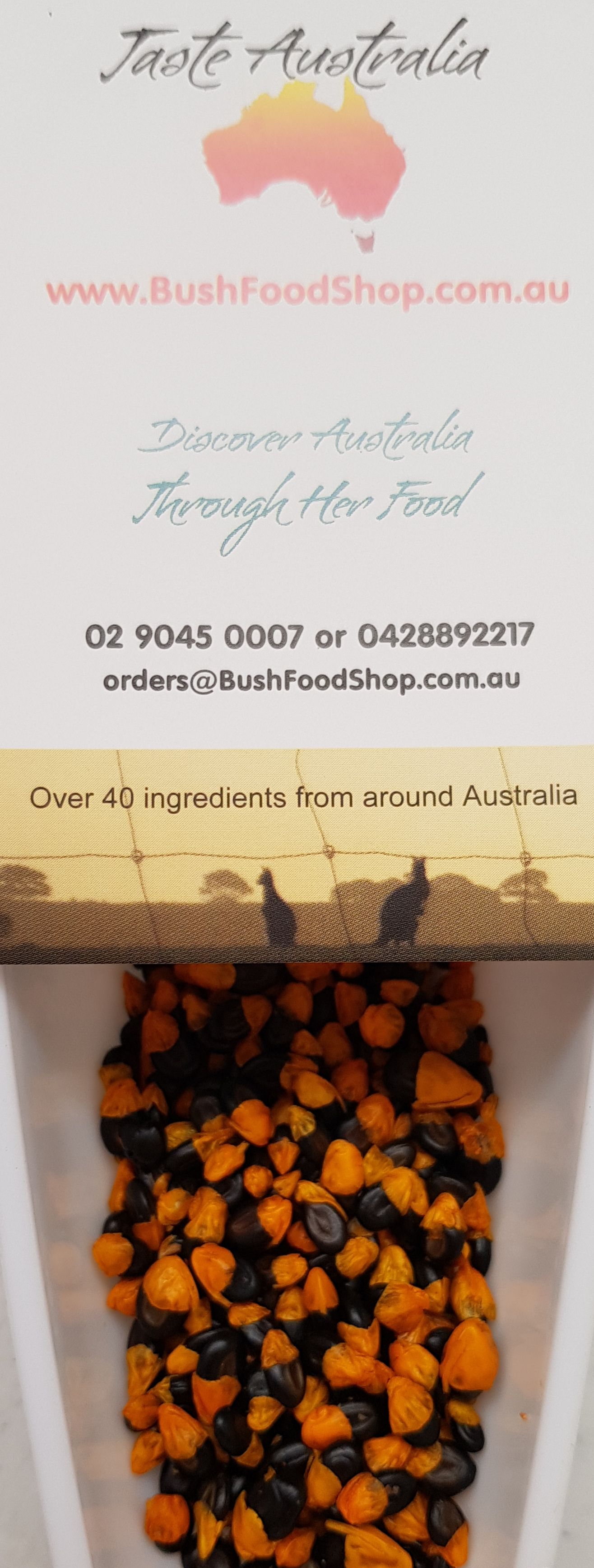
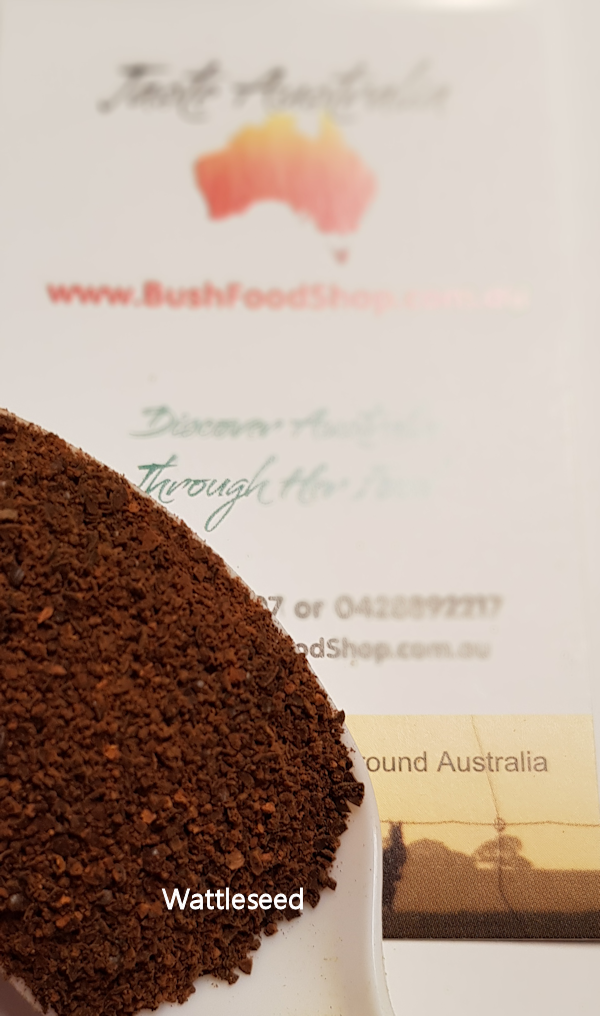
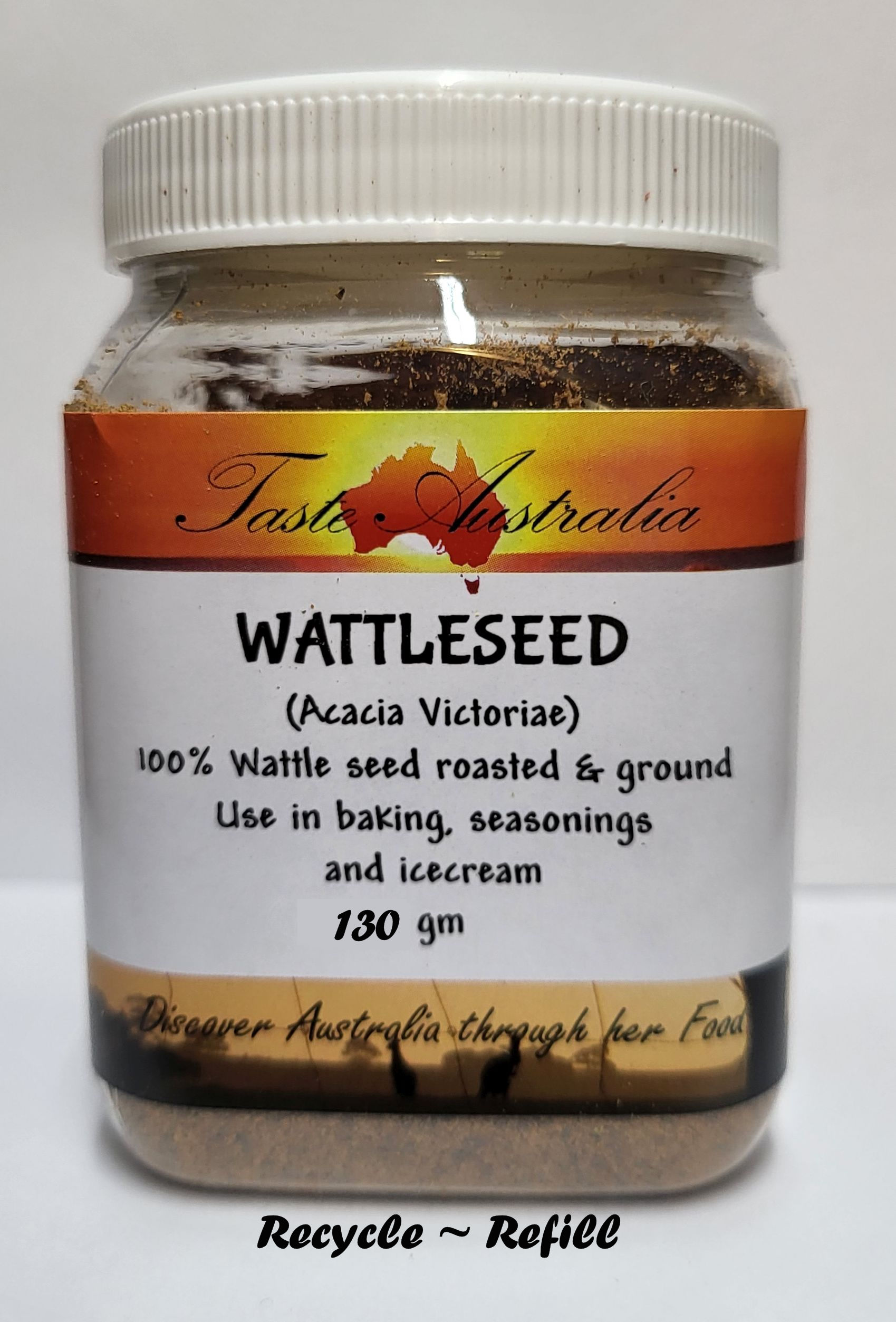
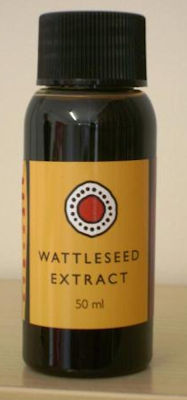
Wattle seed is derived from the Australian acacia trees and is gaining recognition for its nutritional and potential therapeutic properties.
It’s known to be a good source of protein, fibre and certain minerals like iron, calcium, potassium, zinc, and selenium. Additionally, wattle seed has a low glycemic index, making it potentially beneficial for managing blood sugar levels.
Wattleseed been a mainstay in the diet of Indigenous Australians for thousands of years however only a handful of varieties are safe to eat.
Several species are more palatable and commercially viable, these being; Ac victoriae – Prickly Acacia; Ac. sophorae – Coastal Wattle; Ac retinodes – Wirilda; Ac coriacea – Dogwood; Ac murrayana – Colony Wattle; and Ac aneura – Mulga. In their natural habitats these species are plentiful, and because of this, they have been mainly harvested in the wild.
The seeds of the Acacias have very hard husks, and when they fall to the ground, will last for up to 20 years in their natural environment, usually only germinating after bushfires. Because this hard outer casing also protects the seed during long periods of dormancy on the ground, Wattleseed has provided indigenous Australians with a rich source of protein and carbohydrate in times of drought. The seed was crushed into flour between flat grinding stones and cooked into cakes or damper. Even the green seeds of some species were eaten after baking in the hot coals.
Roasted ground Wattleseed has a diverse number of uses in the kitchen, from baking to thickening of sauces and casseroles, to ice cream. By dark-roasting Wattleseed, the most delightful aroma of nutty fresh roasted coffee is released and can be used as a beverage or as an addition to chocolate or desserts.
Desert Oak Wattleseed (Ac Coriacea – Dogwood) is delicious in savoury meals as it has a peanut buttery type aroma.
Specific Medicinal Properties:
- Antimicrobial and Anti-inflammatory: Wattleseed extracts, particularly those from the inner bark and gums, have been used traditionally to treat skin ailments like eczema and burns, and to soothe inflamed skin.
- Digestive Aid: Wattleseed has been used to help with diarrhoea and other digestive issues.
- Antioxidant: The presence of selenium and other compounds in wattleseed contributes to its antioxidant properties, which may help protect the body against free radical damage.
- Traditional Applications: Indigenous Australians have used wattleseed for a variety of ailments including coughs, general sickness, and even as a treatment for warts.
- Nutritional Benefits: The high protein and fiber content, along with the low GI, make wattleseed a valuable addition to a healthy diet.
Important Considerations:
- Species Variation:Different wattle species contain varying levels of nutrients and may have slightly different properties, so it’s important to be aware of the specific species being used.
- Preparation Methods:Traditional preparation methods like infusions, decoctions, and smoke treatment may influence the medicinal effects.

 Bush Food Australia
Leave a comment