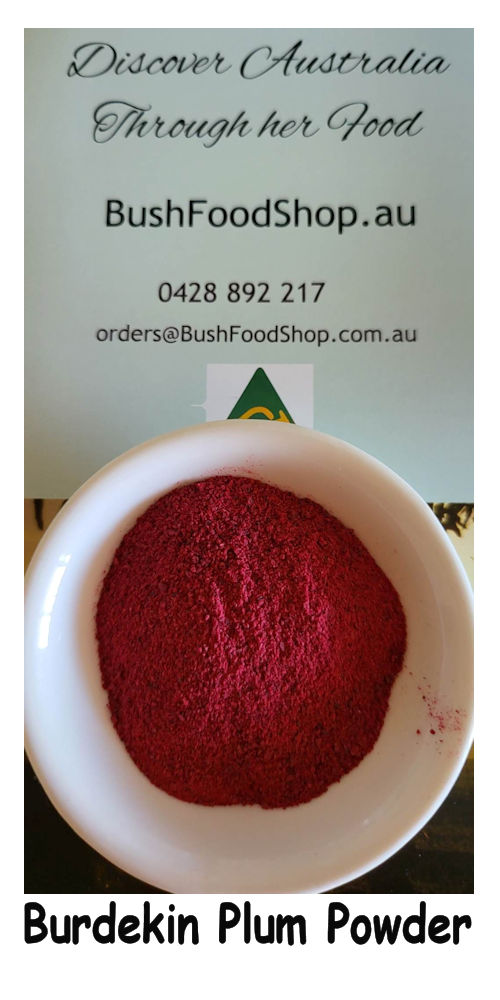
Burdekin plums nutritional value is vitamin C, minerals, and dietary fibre containing nearly 5 times the antioxidant content of blueberries.
Burdekin Plum Season is December through to April. When ripe, the plums can be eaten fresh, sliced and added to fruit salads, turned into jams, jellies and wine. They can be cooked down to make sauces or diced and used to make gravy for meats such as venison, kangaroo, and emu. They also work well as a substitute for rhubarb in fruit pies.
The taste ranges from mild, sweet-tart to tart.
Burdekin plum (Pleiogynium timoriense) exhibits several medicinal properties, primarily due to its high antioxidant content, which can help combat inflammation and oxidative stress. The fruit also contains a variety of other beneficial compounds like phenolics, anthocyanins, and minerals.
Vitamins and Minerals: Burdekin plum is a source of vitamins and minerals, including vitamin C and dietary fiber.
High Antioxidant Activity: Burdekin plums are known for their exceptionally high antioxidant content, even exceeding that of blueberries. This is attributed to the presence of various phenolic compounds, including cyanidin-3-glucoside and ellagic acid in the flesh, and catechin in the seeds.
Anti-inflammatory and Anti-bacterial Effects: The fruit’s antioxidant properties contribute to its anti-inflammatory effects, potentially aiding in the management of inflammation-related conditions. Additionally, the fruit has shown anti-bacterial properties, indicating potential for treating certain infections.
Potential Cancer-Fighting Properties: Studies have explored the potential anticancer effects of Burdekin plum, particularly in relation to ovarian cancer.
Traditional Medicinal Uses: Historically, Aboriginal Australians used Burdekin plum bark and roots to stun fish for easy capture. The fruit itself has also been used traditionally to treat colds, headaches, sores, skin ailments, and eye conditions.
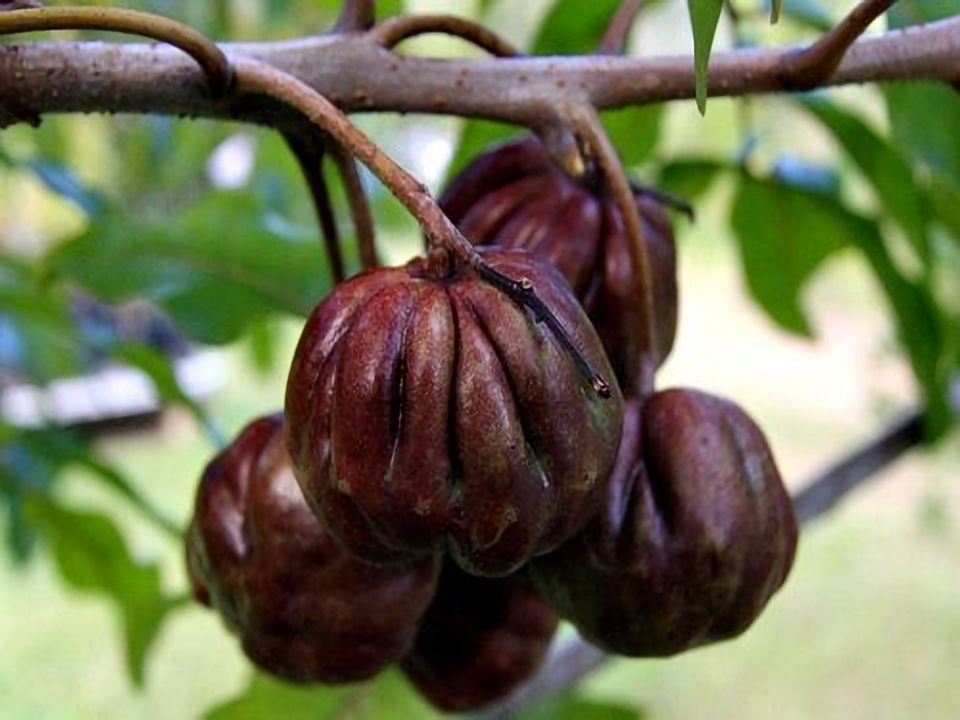
 Bush Food Australia
Leave a comment